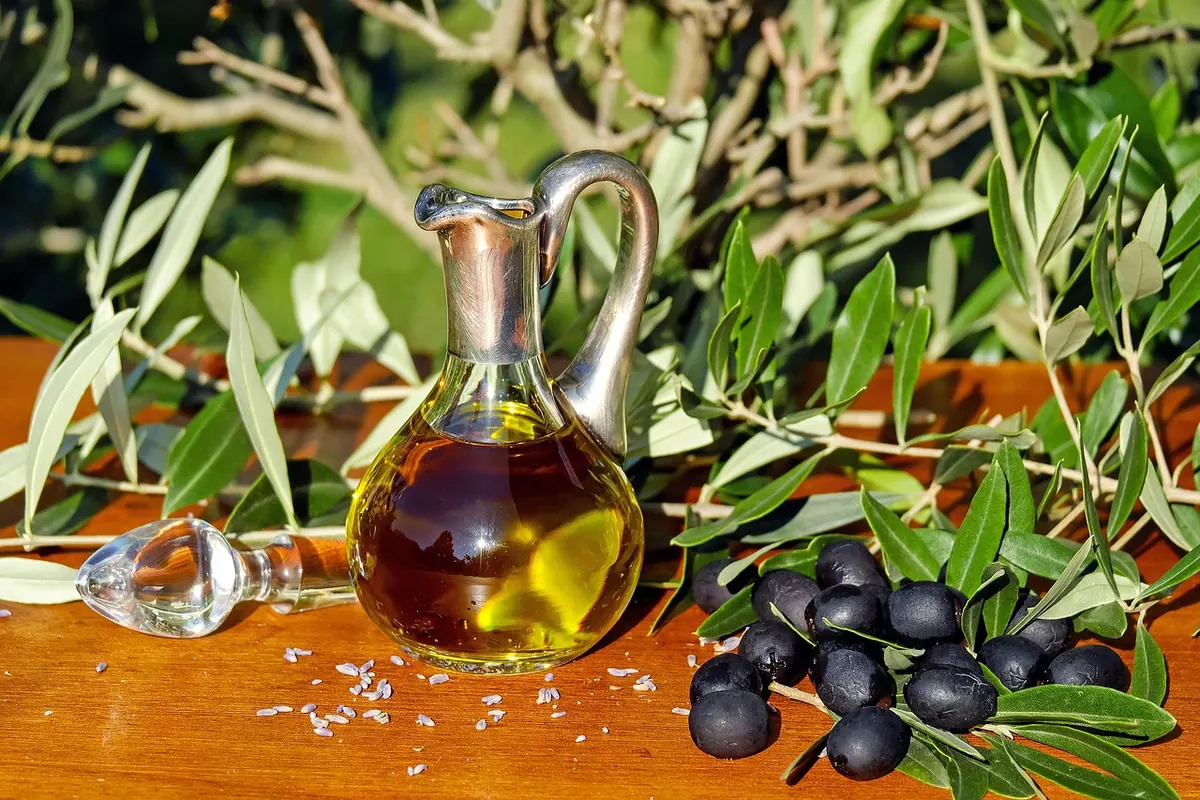
Good olive oil is not a background ingredient. At an Italian table it is a condiment, often poured with intent over warm bread, cooked greens, or a plate of mozzarella. The first time you taste a fresh, peppery oil beside a milder one, the difference is obvious: one whispers, the other pushes back. This guide is for anyone who wants to taste olive oil without ceremony, understand what freshness and intensity actually mean, and use oil sensibly alongside wine and food.
Tasting oil at the table is not a sommelier party trick. It is how you decide what to put on the plate. A bottle opened months ago and left near the stove will taste flat or worse; a recently harvested oil, stored well, can make a simple tomato salad feel complete. Tasting also helps you avoid drowning delicate food in a strong oil, or wasting a fine finishing oil in a hot pan.
Italian olive oil is not one flavor. Oils from Liguria tend to be mild and buttery; Tuscan oils often show green almond and a peppery finish; Puglia can bring robust, bitter oils from Coratina. You do not need to memorize regions. You need to notice what is in the glass and ask whether it suits the food.
You do not need special equipment. A small glass, a piece of plain bread, and two or three oils are enough. Keep the tasting short. Olive oil is rich, and after four or five sips your palate is coated.
If you are tasting several oils, start with the mildest and move to the most robust. Plain bread is useful, but do not treat it as a sponge; a small piece between oils is enough to reset your mouth. Sparkling water helps too.
Freshness is easier to recognize than to describe. A fresh oil smells alive. It has clear, clean aromas and a finish that feels bright rather than heavy. Stale oil is dull. It may smell of old nuts, crayon, wet cardboard, or a vague waxy note. If you have to search for a pleasant smell, the oil is probably past its best.
At the table, use these signals:
Do not judge oil by color alone. Producers blend oils for consistency, and color changes with variety and ripeness. Your nose and mouth are better guides.
Most table oils fall somewhere on a scale from delicate to robust. Delicate oils are mild, softly aromatic, and easy to pour over fish, mozzarella, or a bowl of minestrone. Medium oils have more green character and a noticeable finish; they suit pasta, beans, grilled vegetables, and everyday cooking. Robust oils are bitter and peppery, sometimes almost aggressive. They stand up to ribollita, grilled meat, strong cheeses, and bruschetta.
Bitterness and pungency are not the same as rancidity. Bitterness is a taste; pungency is the peppery sensation in the throat. Both are typical of fresh olive oil, especially early-harvest oils. If either feels harsh, try a smaller amount or a milder oil. The goal is balance, not endurance.
You can also think in terms of use. A delicate oil is a finishing oil for subtle food. A robust oil is a finishing oil for bold food, and often too much for delicate fish. An everyday medium oil can do both, but keep a small bottle of something special for the table.
Oil and wine both carry acidity, bitterness, and aroma. When you put them together, the food is the bridge. A simple rule: match intensity with intensity, and let acidity do the cleaning.
With a delicate oil and mozzarella, a young white wine such as a Vermentino or a light Trebbiano works well; the oil should not dominate. With a medium, green oil over pasta and beans, a crisp white or a light red with fresh acidity can cut through the richness. With a robust, peppery oil on grilled steak or ribollita, choose a wine with enough structure and acidity to stand beside it. Avoid pairing a very bitter oil with a very tannic red; the combination can feel drying and harsh.
At the table, pour oil into a small dish rather than over everything. Let people add their own. A few drops on finished soup, a spoonful over warm chickpeas, or a small pool for bread is often enough. If the oil is the star, keep the rest of the plate simple. If the wine is the star, use oil with restraint.
Good oil is a seasoning, not a sauce. The moment it covers every surface, you stop tasting the food.
Use oil sensibly in cooking too. Delicate oils lose their character over high heat; save them for finishing. For frying, use an oil you are happy to heat and keep the special bottle for the table. Olive oil is calorie-dense, so if you have specific dietary concerns, ask a qualified professional for advice that fits your situation.
Start with two bottles: one everyday oil for cooking and one fresher, more distinctive oil for finishing. Label them with the harvest date and keep them in a dark cupboard, not beside the stove. Once a week, taste a small spoonful of each before dinner. Notice whether the oil still smells clean and lively. When it goes flat, use it for cooking and open something new.
At the table, try a side-by-side taste with bread or steamed vegetables. Put a mild oil next to a peppery one. Add a glass of wine. See which combination makes you reach for more. That is the whole method: taste, compare, adjust. No ceremony required.
Photo: Couleur / Pixabay
A cantina is more than a wine cellar: it shapes how Italians store, choose, serve and share wine, from restaurant...
A practical guide to Italian restaurant customs — from course order and bread baskets to coffee timing and tipping —...

From grape-stomping parades to porchetta stalls and pour-by-pour etiquette, here is what actually happens at an...

Wine, food, and street-side cellar culture.