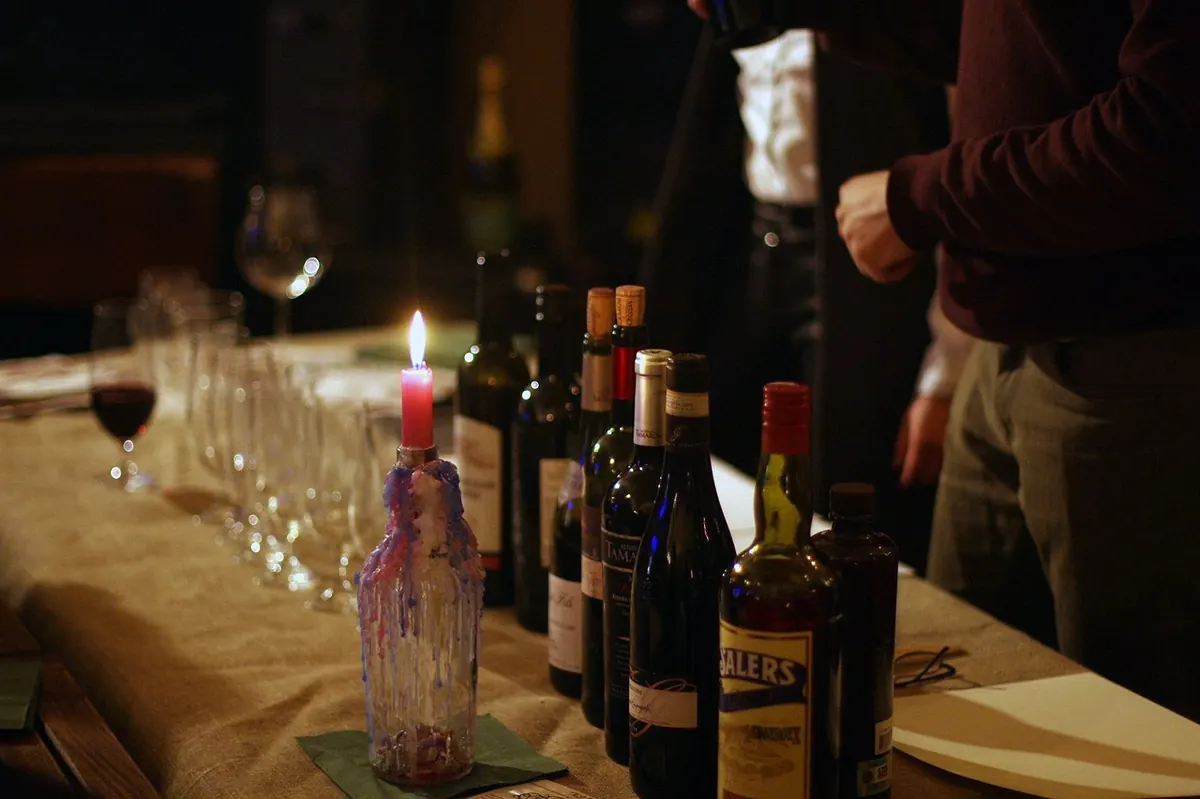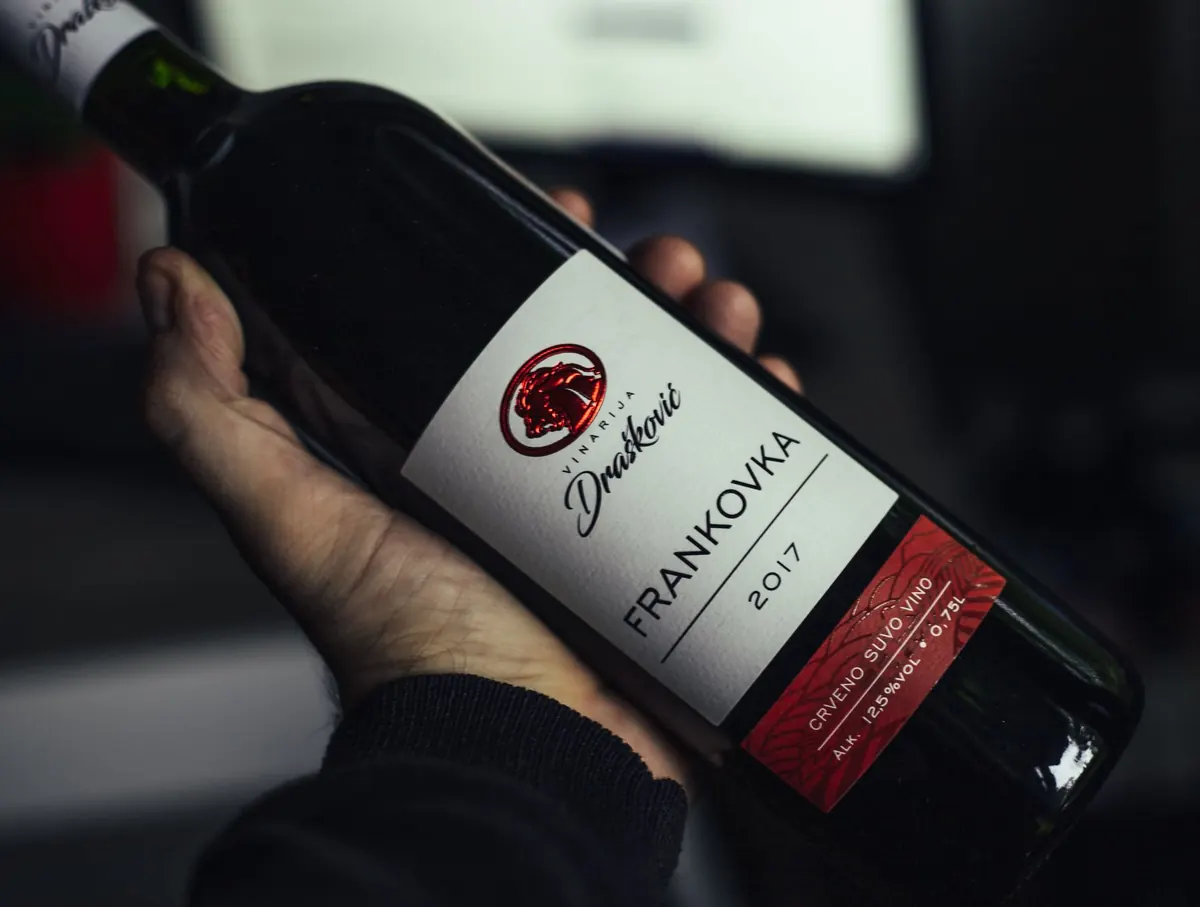
Put a Chianti Classico and a Chianti Classico Riserva side by side and the difference looks like one extra word. In the glass it is the difference between a wine that is ready now and one built to rest in a cellar, between a fresh pour for a plate of pasta and something denser that wants grilled beef. Italian labels are full of this kind of information — and equally full of family crests, gold script and adjectives that mean very little.
The trick is knowing which few words do the actual work. Once you can find them, ordering from an Italian list stops being a gamble.
Every Italian bottle with a protected name falls into one of a few categories, and the name is always printed somewhere prominent. These are guarantees of origin and method, not of pleasure — a point worth holding on to.
DOCG stands for Denominazione di Origine Controllata e Garantita, the strictest tier. The zone, permitted grape varieties, maximum yields, minimum ageing and minimum alcohol are all fixed by law, and the wine is checked by a tasting panel before release. DOCG bottles carry a numbered state band over the neck printed with the name of the appellation. Barolo, Barbaresco, Brunello di Montalcino, Amarone and Franciacorta sit here.
DOC (Denominazione di Origine Controllata) works the same way with slightly looser rules and no mandatory band. There are far more DOCs than DOCGs, and the category covers everything from workhorse whites to serious, ageworthy reds.
IGT (Indicazione Geografica Tipica) is the flexible tier. The region is guaranteed, the grape varieties and methods are not tightly prescribed — which is why many of Tuscany's most interesting reds are labelled simply "Toscana IGT".
Below that sits the old vino da tavola category, now labelled simply Vino or Vino d'Italia: no zone, no promises, occasionally something delicious and cheap.
The practical consequence: a dull DOCG exists, and a thrilling IGT exists. Treat the letters as a floor, not a ceiling.
A handful of terms appear after the appellation name and change what is in the bottle. Learn these six and you can predict a wine's weight before you pull the cork.
The smaller the place named on the label, the more specific the wine tends to be. A bottle of Barolo simply says Barolo. A better one names a village — Serralunga d'Alba, La Morra, Monforte — and the best often name a single vineyard: Vigna, Bricco, Sori or Poggio followed by a name. These are not marketing inventions; they mark a slope with its own soil and exposure, and the wine from it should taste of that place.
You do not need to memorise the crus. Just notice them: a named vineyard on the label is usually a sign that the producer has something to say about a particular piece of land.
Look at the bottom of the back label for the bottling line. It is the most underrated piece of information on the bottle.
Imbottigliato dal produttore, or imbottigliato all'origine, means the estate grew the grapes and bottled the wine itself. Imbottigliato da followed by a company name means the same. But imbottigliato per ("bottled for") signals a merchant: someone bought the wine and bottled it under their own name. That is not automatically bad — plenty of good négociants exist — but the estate-bottled line usually tells you more about where the wine came from.
Two more words are worth spotting. Azienda Agricola suggests a farm that grows its own fruit, often a small one. Casa Vinicola suggests a house that buys grapes or wine and blends — again, a description rather than a criticism.
While you are down there, check the alcohol by volume. A 12.5% Dolcetto and a 15% Amarone are telling you about ripeness, body and how the wine will behave with food. Ignore the idea that higher is better; it is simply a style signal.
When you are standing in a shop or holding a list, work through the label in this order.
It cannot tell you whether the wine is any good, how much new oak the producer used, when the grapes were picked, or whether the bottle in front of you has spent two summers in a warm warehouse. It says nothing reliable about serving temperature or how long to decant. A neck band certifies a method; it does not certify pleasure.
Which is why the label should be a starting point for a conversation rather than a substitute for one.
Start with weight. Sparkling wine from Franciacorta or Prosecco with anything fried; a light Valpolicella or Bardolino with cured meats; Soave, Verdicchio or Vermentino with seafood; Sangiovese with tomato-based pasta and grilled meat; Nebbiolo, in Barolo or Barbaresco, with braised beef and truffles.
Then use the label to ask a better question. Instead of "what's good?", point at a bottle and ask how the Riserva differs from the standard wine, or which producer's style the sommelier prefers. Ask what is open by the glass so you can compare a DOC and a DOCG of the same grape side by side — the fastest lesson in Italian wine there is.
Finally, keep a note on your phone of the names that pleased you: the appellation, the producer, the vintage. Three seasons of those notes will teach you more than any chart. The label is only a map; the glass is the territory.
Photo: Isidor Bobinec / Pexels
A cantina is more than a wine cellar: it shapes how Italians store, choose, serve and share wine, from restaurant...
A practical guide to Italian restaurant customs — from course order and bread baskets to coffee timing and tipping —...
From grape-stomping parades to porchetta stalls and pour-by-pour etiquette, here is what actually happens at an...

Wine, food, and street-side cellar culture.